
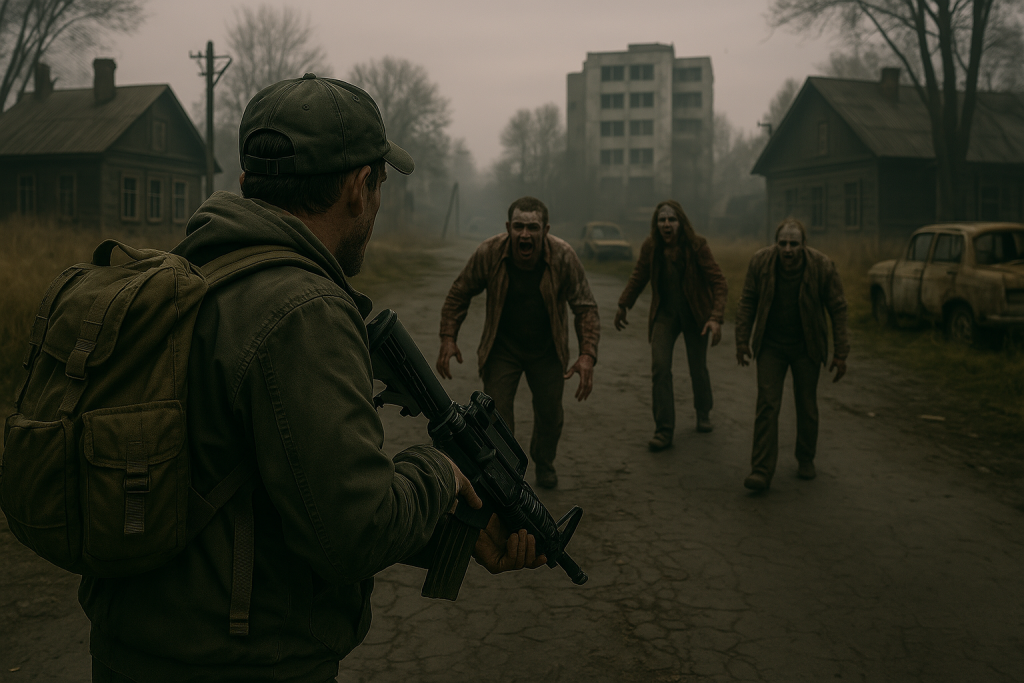
DayZ has always been more than just a survival game. It’s a slow-burning tale of tension, unpredictability, and isolation. One of the unsung heroes of that storytelling isn’t found in dialogue or scripted plot points—it’s in the weather. The game’s volumetric effects, like fog, rain, and smoke, don’t just shape how the world looks—they shape how it feels to live in it. They guide your decisions, shift your emotions, and often determine whether you survive the next hour.
While some players rely on DayZ cheats for an unfair edge, it’s the dynamic weather that truly defines the experience for those who play the game as intended.
Few things are more disorienting than waking up to a fog-covered valley in DayZ. Fog isn’t just cosmetic—it’s mechanical. It slashes long-range visibility to just a few meters. Snipers lose their advantage. Open fields become safer. But that safety is deceptive. You can’t see danger, but you also can’t be seen, and that changes everything.
In thick fog, players rely more on sound than sight. Movement slows. You listen for broken twigs, the groan of an infected, or boots crunching gravel. The tension rises because you have no choice. Encounters become personal. You don’t die to a sniper—you walk straight into someone holding their breath behind a wall.
Fog changes the atmosphere. It dulls color, softens edges, and adds psychological weight to every step. It becomes a visual metaphor for uncertainty—perfect in a game where trust is rare and betrayal is common.
Rain doesn’t just look good—it punishes you. When the skies open, your clothes soak through. You get cold. Your health starts to drop. Unlike fog, rain adds urgency. You need warmth. You need shelter. You need to move.
It forces decisions. A barn you’d normally avoid becomes a lifeline. Lighting a fire becomes worth the risk. And while you scramble for comfort, the world gets quieter. Rain masks footsteps. Infected and players get closer than you expect.
Visually, rain is oppressive. Gray skies, slick roads, water running down your screen—it reinforces DayZ’s survival themes by stripping away comfort. You’re not just surviving other players—you’re battling the environment itself.
Smoke in DayZ is usually manmade—campfires, grenades, or burning vehicles—but its impact is just as strong. It signals conflict or presence. A rising column of smoke is a visual gunshot. It either warns you off or draws you in.
Smoke has tactical use too. It can mask a retreat or mislead an enemy. But like every tool in DayZ, it cuts both ways. Lighting a fire or tossing a smoke grenade makes you visible. You’ve announced yourself.
It also adds quiet story beats. A fire left burning in a ruined town whispers: someone was just here. Are they still around? Are they watching? Smoke turns empty places into mysteries. It lingers after the moment and tells stories no NPC ever could.
What’s remarkable about DayZ’s weather system is how much it communicates without dialogue or narration. There are no cutscenes. No quest logs. The fog, the rain, the smoke—they all speak through mood and instinct. They shape how you move, how you feel, and how you interact with others.
It’s environmental storytelling at its finest. The weather isn’t passive—it’s active. It pushes players together or drives them apart. It adds suspense, encourages mistakes, and sets the emotional tone for every session.
DayZ’s weather system isn’t just background—it’s a character. Fog isolates. Rain pushes. Smoke exposes. Each element adds a layer of tension to a game already defined by unpredictability.
In a survival world with no script, these systems provide structure. They don’t tell you what to do—but they shape how you do it. They make you adapt. They make you feel. And in a game about improvisation and consequence, that feeling is everything.