
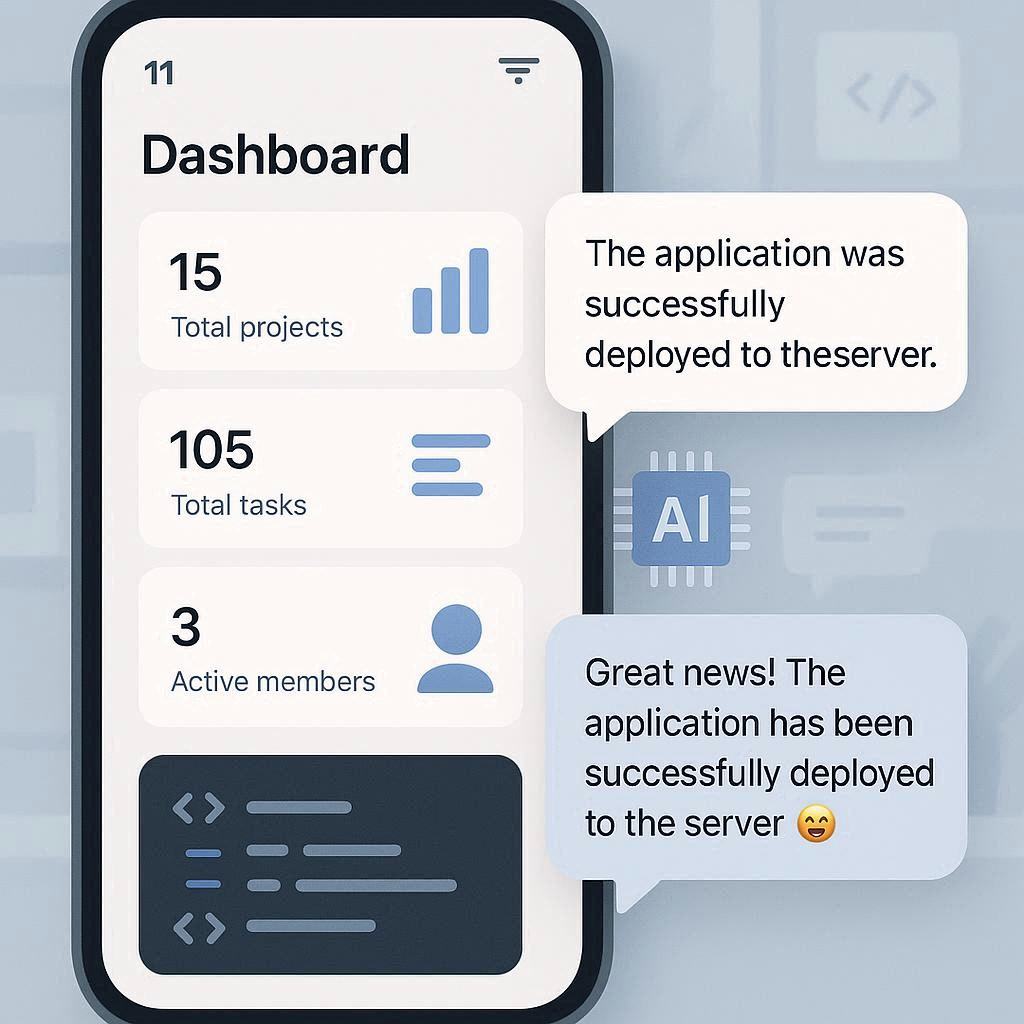
As technology evolves, the line between machine and human communication continues to blur. One of the most exciting innovations today is the AI stealth writer, a powerful tool often used alongside AI-to-human converters. It helps developers create applications that sound more natural, friendly, and relatable. It’s no longer just about writing code—it’s about crafting an experience that truly feels human.
Whether you’re building a chatbot, a virtual assistant, or a content platform, using AI to make language feel authentic is a real game changer.
An AI to human text converter is a tool or software that transforms robotic-sounding, overly formal, or generic AI-generated text into something that sounds like it was written by a real person. It adjusts tone, sentence structure, word choice, and even adds small nuances like humor or empathy.
Instead of sounding like a machine, the output feels natural and engaging. For example:
AI text: “This application will assist you in achieving your task efficiently.”
Humanized text: “This app helps you get things done, fast and easy.”
The difference is subtle, but powerful.
Apps today are more than just tools—they’re personal. Whether you’re building a fitness app, a shopping platform, or a mental health tracker, people want to feel like they’re talking to something that understands them. That’s where human-like text becomes essential.
Here’s why AI to human text matters:
Think of it as digital customer service with a personality.
This tool isn’t just useful for writers. Developers, marketers, and UX designers are all using it to make their apps better. Here are some examples:
Instead of stiff, robotic replies, AI to human converters can help make your chatbot sound like a real support agent who’s helpful, casual, and kind.
“Check your progress today!” sounds more exciting than “Please return to the app to view your stats.” Language makes a difference in app retention.
Whether it’s blog writing, grammar checking, or daily affirmations, apps can use AI to generate content and then convert it to sound more personal.
AI to human text can simplify technical terms, making learning easier and more fun for users at different levels.
Developers don’t have to build these converters from scratch. There are APIs and pre-built models available that can be plugged into your app’s backend. Here’s a simple process to follow:
Some popular AI models include GPT-based tools or custom-trained NLP models. Look for one that allows tone adjustments and personalization.
Customize the output to match your app’s brand voice. Do you want it to sound formal, friendly, or humorous?
Before launching, test the humanized outputs with your target audience to make sure the tone feels right.
Let users rate or give feedback on content quality. This helps you adjust and refine your AI text settings over time.
This is not just about writing nicer words. It’s about crafting an emotional experience that users respond to positively.